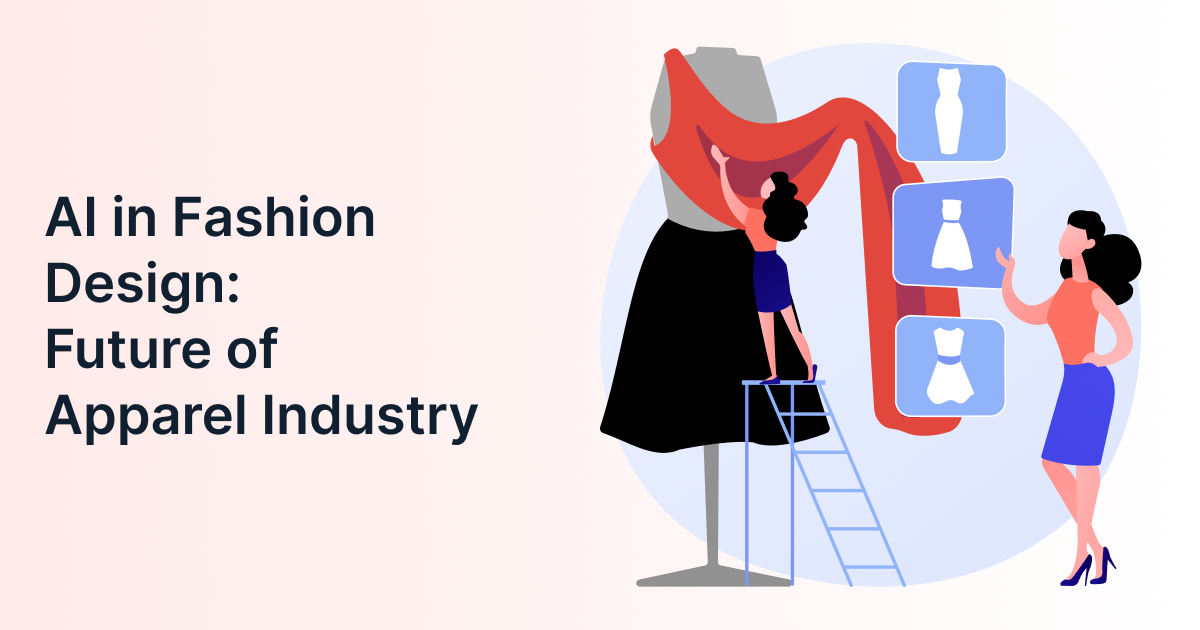
The apparel landscape is undergoing a structural paradigm shift driven by digital acceleration. At the center of this structural reorganization is the deployment of AI in fashion design, a technology that is quickly rewriting standard production models. Global enterprise brands are migrating away from speculative mass manufacturing toward real-time, demand-driven fulfilment models.
This widespread integration of artificial intelligence in fashion industry systems allows retail operators to reduce physical deadstock while boosting operational agility. By relying on sophisticated algorithms, modern software platforms optimize the pattern drafting and grading stages, paving the way for advanced AI apparel design workflows. These systemic shifts reflect dominant fashion technology trends that prioritize not only lean inventory management but also individualization.
For commercial buyers, AI-powered visualization, virtual try-ons, and intelligent sizing recommendations create a more engaging shopping experience while reducing purchase uncertainty.
As we look ahead, the future of AI powered fashion design points to a hyper-connected model where consumer creation and factory automation function as a single, unified loop.

Why is AI in Fashion Design Becoming the Primary Catalyst for Sustainable Production?
The traditional configuration of the fashion supply chain relied heavily on speculative forecasting, leading to a significant percentage of unsold merchandise ending up in landfills. By applying the methodologies of AI in fashion design, business operators can transition toward an on-demand manufacturing framework, eliminating costly overproduction cycle and minimizing textile waste across global manufacturing operations.
Next, predictive neural networks analyze historical transaction logs, social media engagement patterns, and regional climate variations to calculate localized demand metrics before production begins. Such automation shifts the operational focus from high-volume batch processing to ultra-precise, modular garment development.
Instead of producing thousands of physical variations of a garment hoping they sell, digital assets are rendered and tested virtually. This combines corporate environmental responsibility with fiscal sustainability.
Integrating such analytical capabilities within an institutional framework gives rise to an immersive AI shopping experience where sizing errors are completely mitigated. AI in fashion design accurately matches user body contours with automated pattern drafting blueprints. This mitigates the high capital drain associated with e-commerce returns.
AI-Driven Sustainability Practices in Fashion Manufacturing
| Area | Practice | Business impact |
| Textile Optimization | Automated marker placement systems maximize material yield per fabric roll, reducing cutting-room scraps. | Lowers material costs, improves production efficiency, and increases profit margins through better fabric utilization. |
| Virtual Prototyping | Transitioning from physical sample rounds to high-fidelity 3D digital prototypes slashes design approval cycles from weeks to hours. | Shortens product development cycles, reduces sampling costs, and enables faster time-to-market. |
| Predictive Sourcing | Smart tracking systems align fabric purchases with real-time customer styling choices, preventing the accumulation of unused deadstock yarn and textiles. | Reduces inventory holding costs, minimizes overproduction, and improves demand-driven sourcing accuracy. |
| Measurable Sustainability | AI enables real-time monitoring of design, sourcing, and production activities, helping measure environmental impact throughout the product lifecycle. | Strengthens ESG performance, supports regulatory compliance, enhances brand reputation, and enables data-driven sustainability initiatives. |
How Does Advanced AI Apparel Design Impact the Made-to-Measure B2B Supply Chain?
The scalability of custom apparel has traditionally been restricted by the requirement for manual pattern alterations. Every time a user changes a cuff style, collar configuration, or placket alignment on a shirt, a pattern maker must adjust the technical drawing.
Advanced AI in fashion design removes this friction entirely by algorithmically automating the generation of factory-ready technical packs.
When a corporate client alters a style profile on an AI based ecommerce platform, the system processes the parameter selections instantly. This allows the master software engine to generate automated nested patterns matching the buyer’s exact specifications.
Instead of hosting flat, low-resolution images of material swatches, modern platforms use neural rendering to simulate how heavy the wool drapes compared to lightweight linen. Such capability is deeply rooted in contemporary fashion technology trends, giving procurement teams total visual transparency before committing to a contract. This drastically optimizes the workflow of product customization software for ecommerce, making the digital creation process highly intuitive for even non-technical corporate buyers.
By merging these automated backends with a consumer-facing interface, the brand provides a highly interactive AI shopping experience. This end-to-end connectivity underscores the future of AI in fashion design, turning traditional tailor shops into globally scalable web operations driven by artificial intelligence in fashion industry standards.
Why Must Brands Transition to an AI Based eCommerce Platform?
To seamlessly support high-velocity interactive product personalization across diverse global markets, you need to migrate your legacy web infrastructure to a highly scalable cloud architecture that naturally supports native mobile device responsiveness, dynamic language localization, and real-time 3D asset rendering tools.
A legacy e-commerce framework is fundamentally incapable of managing the millions of distinct SKU permutations generated by a modern ecommerce product configurator. When a user interacts with a shoe customization engine or a jewelry configuration platform, every click adjusts the underlying product architecture, from the upper lace lining to the precious stone settings. Operating an AI based ecommerce platform ensures that your system can compute these complex graphical and financial transactions simultaneously without causing severe latency or shopping cart abandonment.
Furthermore, prioritizing international market expansion capabilities means selecting systems built on advanced frameworks of AI in fashion design that feature multi-store localization out of the box.
As global corporate clients browse merchandise options, the platform must dynamically convert currencies and translate specialized technical terms into different languages natively. This operational agility is central to current fashion technology trends, enabling a small enterprise to run a highly complex, multi-national custom B2B operation seamlessly from a single administrative dashboard.
Core Architecture Checklist for Enterprise Personalization Platforms
- Native Mobile Device Responsiveness: The user interface must function flawlessly across all standard smartphone and tablet viewports to guarantee uniform engagement metrics.
- Dynamic Language and Currency Localization: Automated multi-store configuration layers eliminate regional translation friction and support localized payment gateway integrations natively.
- Real-Time Vector Generation Modules: The system must produce production-grade print outputs (such as PDF, SVG, or DXF files) instantly upon order confirmation to eliminate manual pre-press adjustments.
- Asynchronous 3D Asset Loading: Leveraging cloud-based asset delivery networks ensures high-fidelity 3D garment models render instantly without draining local device processor power.
By investing in an infrastructure that prioritizes AI in fashion design workflows, brands can easily expand into complementary product lines. The same core software engine that drives custom shirt selection can be configured to manage web-to-print merchandise, high-value hard goods. Such versatility optimizes overall technology spend while crafting a beautifully consistent, premium shopping experience across your entire brand portfolio.
The structural elasticity is precisely why the global implementation of AI in fashion design platforms has become a primary requirement for long-term B2B retail survival.
Deploying the Future of AI Powered Fashion Design With iDesigniBuy Ecosystems
Successfully implementing AI-powered personalization requires a technology ecosystem capable of connecting customer experiences, product configuration, and production workflows in real time.
Our institutional-grade suite of product configuration modules are specifically engineered to support the complex, data-heavy requirements of AI in fashion design.
Whether your enterprise focuses on bespoke fashion garments, custom footwear, high-end jewelry configuration, or web-to-print merchandise, the platform scales alongside your evolving product catalog. The deep integration of AI in fashion design logistics ensures that every individual design choice seamlessly syncs with your production facility’s specific layout metrics.
Looking at the digital clothing sector, our dedicated tailoring software handles the complexities of shirt, suit, and pant construction natively.
For example, the shirt design tool provides comprehensive control over collar styles, cuff layouts, sleeve configurations, plackets, and pleats. Users can leverage integrated fabric filters, apply high-fidelity zoom-in capabilities to inspect intricate textile weaves, and add distinct monograms or elbow patches.
Simultaneously, the suit design tool handles complex jacket styles, vest configurations, pant fastening elements, and fabric price calculation mechanics smoothly. This absolute clarity across the product journey highlights the impact of AI in fashion design.
For the luxury market, the jewelry design software features comprehensive 360-degree profile views, precise stone setting adjustments, and dynamic dimension configurations for rings, pendants, and bracelets.
Combined with the interactive power of the virtual trial room, an immersive environment where clients visualize custom designs in stunning 3D spaces and effortlessly share snapshots across corporate networks, we position your brand at the absolute cutting edge of worldwide fashion technology trends.
Our comprehensive suite of solutions establishes a powerful blueprint for any enterprise looking to dominate the future of fashion trends via an integrated infrastructure of AI in fashion design.

Conclusion
The future of international apparel manufacturing belongs entirely to enterprise brands that discard outdated speculative production cycles in favor of intelligent, real-time personalization models. Embracing the structural capabilities of AI in fashion design allows modern B2B organizations to effectively balance consumer demands for uniqueness with lean, highly profitable manufacturing workflows.
By deploying an advanced AI based ecommerce platform, corporate operators successfully build a resilient digital architecture that thrives on exact data precision rather than volatile market guesswork.
The fundamental strategic takeaway for industry executives is clear: product personalization software is the defining mechanism required to maximize digital revenue streams, optimize factory floor outputs, and completely future-proof global supply chains against shifting market dynamics.
Ready to explore how AI-powered personalization can reduce production waste, increase conversion rates, and streamline manufacturing workflows? Schedule a personalized demo with our experts today.
FAQs
1. What is the main advantage of incorporating AI in fashion design platforms?
The core advantage of AI in fashion design is the total elimination of manual pre-press workflows and pattern drafting bottlenecks. The software algorithmically translates custom frontend consumer modifications directly into print-ready or cut-ready manufacturing specifications, maximizing factory throughput.
2. How does an AI shopping experience impact standard retail return rates?
By utilizing intelligent sizing algorithms and high-fidelity 3D virtual previews, the platform ensures that buyers have a highly accurate, photorealistic understanding of fabric drape, fit contours, and style parameters before checkout, reducing product returns significantly.
3. CaniDesigniBuytailoring software manage multiple garment categories simultaneously?
Yes. The enterprise platform features dedicated, specialized modules engineered explicitly for custom shirts, highly structured made-to-measure suits, jackets, vests, and custom-fit pants, all manageable from a unified administrative dashboard interface.
4. What makes web-to-print toolsan assetfor fashion brands?
Web-to-print modules allow apparel brands to diversify their revenue streams instantly by offering hyper-personalized promotional merchandise, including custom t-shirts, caps, laptop skins, and business accessories alongside their core apparel lines without increasing overhead.
5. How does thejewelrydesign software handle intricate material variables?
The specialized jewelry module provides users with detailed 360-degree continuous profile views, interactive dimension controls, dynamic stone setting parameters, and precise text engraving tools to ensure absolute design precision for premium luxury assets.
6. Is extensive software engineeringexpertiserequired to operate these configurators?
Not at all. The entire end-user interface is meticulously designed around intuitive parameter selections, drag-and-drop operations, and instant visual feedback, enabling non-technical corporate buyers to create production-grade custom designs within minutes.