Introduction
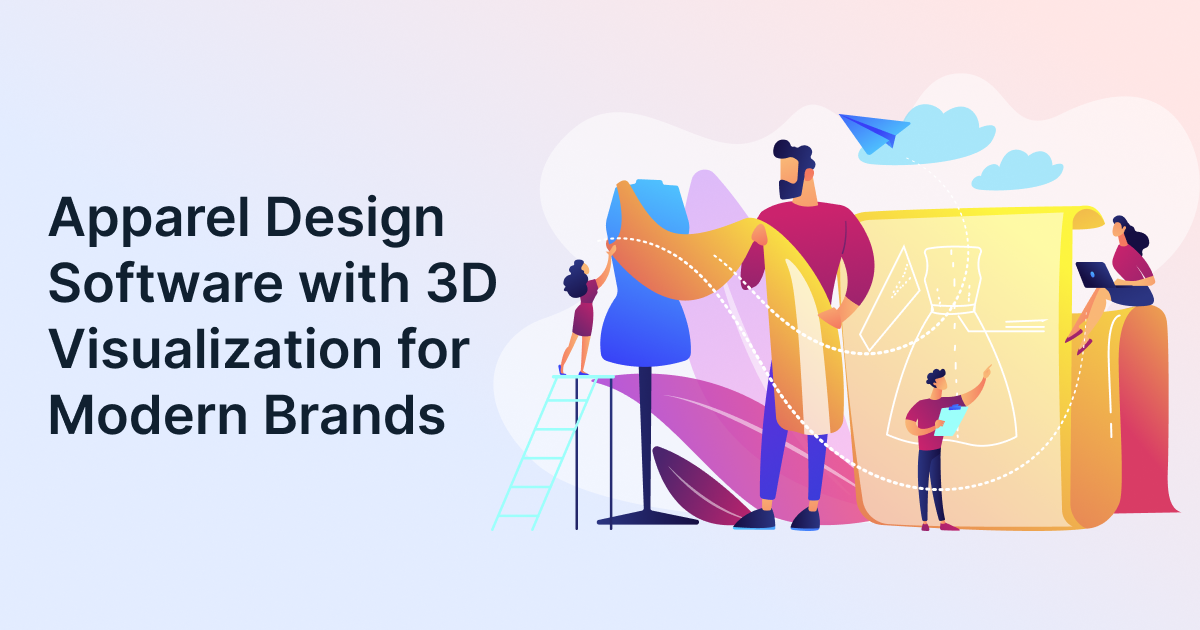
To design faster and reduce production costs, you need apparel design software with 3D visualization. These tools enable designers to create, modify & visualise garments digitally in real time, eliminating repeated sampling, improving accuracy & helping modern brands launch collections more efficiently.
The fashion industry has evolved beyond sketches and physical prototypes. Today, brands rely on apparel design software and 3D apparel design software to streamline workflows, reduce waste & deliver visually rich designs before production begins.
If you’re looking for a scalable solution that supports both design and commerce, explore this advanced apparel design software built for modern brands.
Summary
- Apparel design software digitises garment creation
- 3D visualization reduces sampling and speeds production
- Best apparel design software improves collaboration and scalability
- Ideal for D2C brands, manufacturers & designers
- Integrates with eCommerce for real-time customisation
What Is Apparel Design Software and How Does It Help Brands?
To create accurate and production-ready designs digitally, you need apparel design software that combines creative tools with technical precision.
Unlike traditional methods that rely heavily on manual sketches and trial-and-error sampling, apparel CAD software allows designers to create structured patterns, apply fabrics & visualise garments digitally from the start.
In practical terms, this means –
- Designers can draw and modify garments instantly without rework
- Teams can collaborate on the same design across locations
- Fit and structure issues are identified early in the process
These capabilities make fashion design software essential for brands aiming to reduce errors and improve speed.
How Does 3D Apparel Design Software Work in Real Scenarios?
To visualise garments before production, you need 3D apparel design software that transforms 2D patterns into realistic 3D models.
Instead of imagining how a garment might look after stitching, designers can see it instantly in a digital environment. This is how the workflow typically unfolds –
- A designer creates a base pattern using apparel CAD software
- Fabric properties such as texture, stretch & weight are applied
- The design is rendered using 3D clothes maker tools
- Teams review fit, movement & overall aesthetics in real time
This eliminates guesswork and significantly reduces the number of physical prototypes required.
Why Are 3D Fashion Design Tools Critical for Modern Brands?
To reduce production time and cost while improving accuracy, you need 3D fashion design tools that simulate garments digitally.
Modern brands operate in a fast-moving market where speed-to-launch is critical. 3D apparel design software allows them to make decisions quickly by visualising designs instantly.
Key advantages
- Reduced sampling: Fewer physical samples lower production costs
- Faster approvals: Teams can approve designs digitally
- Better collaboration: Designers, manufacturers & stakeholders work together seamlessly
- Improved sustainability: Less fabric waste and fewer discarded samples
Did You Know?
“Companies using 3D design reduce sample production by up to 70%.”
Source: Browzwear
https://browzwear.com/blog/how-fashion-companies-use-3d-cad
Which Is the Best Apparel Design Software for Your Needs?
To choose the best apparel design software, you need to evaluate features based on your workflow, scalability needs & integration requirements.
Not all tools offer the same capabilities. Some focus only on design, while others integrate design with production and eCommerce.
| Feature | Basic Software | Advanced 3D Apparel Design Software |
| Design Capability | 2D only | 2D + 3D |
| Visualization | Limited | Realistic 3D previews |
| Fabric Simulation | No | Yes |
| Customisation | Basic | Advanced |
| Integration | None | eCommerce + ERP |
If you’re still evaluating, this guide on how to choose the best apparel design software for business growth walks you through key decision factors in detail.
How Does Clothing Design Software Improve Workflow Efficiency?
To streamline your entire design-to-production pipeline, you need clothing design software that connects teams, tools & processes into one system.
In traditional workflows, designers, manufacturers & marketers operate in silos. This often leads to repeated revisions and delays. With clothing design software, the entire process becomes connected.
Here’s how it improves workflow –
- Designers can instantly share 3D visuals for approvals
- Changes are updated across all stages automatically
- Production teams receive accurate specifications early
- Marketing teams can use 3D renders for promotions before launch
This level of alignment helps brands move faster and operate more efficiently.
What Features Should You Look for in 3D Software for Clothing Design?
To stay competitive, you need 3D software for clothing design that offers both creative flexibility and technical functionality.
Not all tools are built the same. The most effective best apparel design software includes features that support both design innovation and business scalability.
Essential features
- Real-time 3D rendering: View changes instantly as you design
- Fabric simulation: Understand how garments behave before production
- Customisation tools: Allow customers to personalise products
- Integration capabilities: Connect with your online store
For example, many brands now integrate design tools directly into their websites. If you’re planning to do the same, this guide on integrating apparel design software with your website can help you get started.
Industry Insight: Growth of 3D Apparel Design Software
To understand why adoption is increasing, you need to look at how brands are shifting towards digital-first design processes.
“3D design adoption is accelerating as brands aim to reduce prototyping time and costs while improving collaboration across global teams.”
Source: AIMS360
This shift highlights how 3D apparel design software is no longer optional; it’s becoming essential for staying competitive.
How Do 3D Clothes Maker Tools Enable Product Customisation?
To offer personalised products at scale, you need 3D clothes maker tools that allow real-time design interactions.
Consumers today expect more than standard products. They want customisation, and that’s where these tools play a crucial role.
Here’s what they enable –
- Users can customise colours, prints & styles live
- Customers can see a realistic preview before purchasing
- Brands can offer unique products without increasing inventory
If you’re aiming to scale your business with this approach, this blog on growing your business with apparel design software explains how brands are successfully doing it.
What Makes 3D Apparel Design Software Essential in 2026?
To stay relevant in today’s fast-paced fashion market, you need 3D apparel design software that improves speed, reduces costs & supports digital transformation.
The fashion landscape is shifting towards –
- Faster product launches
- On-demand manufacturing
- Direct-to-consumer (D2C) models
- Sustainable production practices
Brands that adopt 3D software for clothing design early gain a competitive advantage by responding quickly to market trends.

Conclusion
Modern fashion brands are moving towards digital-first design to stay competitive and efficient. By adopting apparel design software, especially 3D apparel design software, businesses can reduce production cycles, improve collaboration & deliver better customer experiences.
If you’re planning to bring this level of efficiency and innovation into your workflow, the next step is simply exploring what fits your business best. You can start by reaching out and discussing your requirements in detail by getting in touch with us, a practical way to understand how these tools can align with your goals.
FAQs
1. What is apparel design software used for?
Apparel design software is used to create, modify & visualise clothing digitally. It helps designers build patterns, test fabrics & generate realistic previews, reducing reliance on physical samples and improving accuracy in the design process.
2. What is 3D apparel design software?
3D apparel design software allows designers to create lifelike digital garments by simulating fabric behaviour, fit & movement. This helps brands visualise final products before production, saving time and costs.
3. Which is the best apparel design software?
The best apparel design software depends on your needs. Advanced tools that offer 3D visualization, customisation & integration with eCommerce platforms are ideal for modern businesses aiming to scale efficiently.
4. How is apparel CAD software different?
Apparel CAD software focuses on technical aspects such as pattern-making and garment construction, while modern 3D tools combine these with visualisation and customisation capabilities.
5. Can small businesses use clothing design software?
Yes, clothing design software is highly beneficial for small businesses. It reduces costs, improves efficiency & allows startups to compete with larger brands.
6. What are 3D fashion design tools used for?
3D fashion design tools are used to create realistic garment visuals, simulate fabric behaviour & test designs before production begins.
7. Is 3D apparel design software expensive?
Pricing varies, but most brands find it cost-effective in the long run because it reduces sampling costs, speeds up workflows & improves overall efficiency.