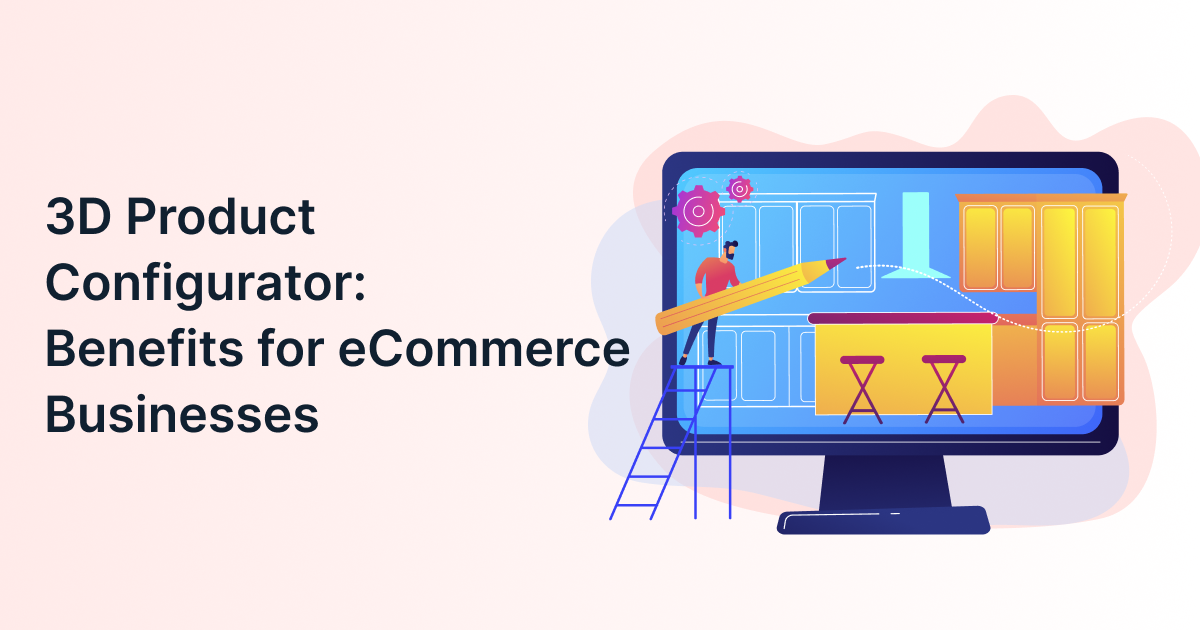
Digital transformation in today’s enterprise environment requires moving beyond static product listings. As B2B buyers increasingly expect personalized purchasing experiences, static product pages are no longer enough. A 3D product configurator helps businesses bridge the gap between complex customer requirements and manufacturing capabilities by enabling interactive product customization before purchase.
Integrating a 3D product configurator allows B2B merchants to display complex configurations dynamically, establishing immediate buyer trust. When evaluating the core advantages of ecommerce architectures, interactive visualization emerges as a critical driver of transaction volume.
By implementing a sophisticated ecommerce product configurator software, organizations can eliminate quotation delays, reduce order errors, and build a highly scalable operational model.
According to comprehensive data from the Harvard Business Review, providing interactive, self-directed custom choices significantly deepens customer engagement and brand loyalty.
Transitioning to an enterprise-grade 3D product configurator software engine helps corporate teams modernize their sales ecosystem from initial ideation to final fulfilment.

How Do Executives Prioritize Visual Customization in Their Digital Strategy?
To align digital storefront operations with complex corporate procurement demands, you need to prioritize an open-architecture online product configurator that translates visual customer selections immediately into structured manufacturing data, ensuring absolute alignment between sales and factory operations.
The ideation and prioritization phase requires a thorough audit of your current digital consumer touchpoints. Legacy enterprise systems frequently suffer from severe friction because procurement teams cannot easily visualize bespoke specifications like multi-layered material changes in custom apparel, precise gemstone placements in fine jewelry, or unique branding layouts on corporate web-to-print merchandise.
This lack of transparency leads to long sales cycles and manual quotation delays.
By evaluating the foundational advantages of ecommerce automation, businesses can identify exactly where traditional catalogues fail. Incorporating an active ecommerce product configurator into your roadmap ensures your organization can handle complex SKU variations cleanly without increasing administrative overhead.
This strategic shift transforms your digital presence from a passive browsing tool into a responsive, self-directed configuration workspace.
Why is a 3D Product Configurator Central to Modern Value Creation?
A scalable 3D product configurator enables real-time parametric rendering of product variations, allowing users to customize specifications and view visual updates instantly. This approach replaces reliance on static photography and supports the digital representation of configurable products across sales and procurement workflows.
Value creation occurs when software directly eliminates manual friction in the buyer’s journey. When a client utilizes a modern 3D product configurator, every adjustment, whether selecting distinct shirt cuffs, choosing jacket lapels, or modifying a leather shoe’s back strip, is computed in real time.
This interactive layer operates as a core component of your 3D product configurator software ecosystem, giving buyers complete control over product features.
Strategic Takeaways for Visual Value Optimization
- Frictionless Measurement Translation: Advanced apparel tailoring software automatically translates custom user dimensions into production-ready pattern specifications, minimizing drafting errors.
- Dynamic Asset Texture Mapping: High-fidelity engines simulate realistic material drapes, comparing dense wool fabrics with lightweight linens perfectly across all viewports.
- Unified Multi-Store Management: A centralized administrative panel allows teams to update regional fabric libraries, edit base pricing rules, and manage style options simultaneously.
What Are the Intangible Advantages of eCommerce Realized Through 3D Visualization?
To unlock the full potential of your digital channels, you need to leverage the structural advantages of ecommerce visualization tools to cultivate deep emotional brand attachment, establish absolute pricing transparency, and remove cross-border buying hesitation.
While tangible metrics like conversion rates are easy to measure, the intangible value delivered by an online product configurator software engine is equally critical for long-term brand equity. When corporate buyers spend time interacting with an immersive online product configurator, they develop a strong sense of co-creation ownership over the final design. This deeper psychological connection makes them far less sensitive to price increases and strongly drives repeat contract renewals.
The following matrix highlights the critical, intangible corporate values unlocked when an enterprise transitions from static web listings to a fully interactive 3D visual configuration environment:
| Value | Legacy Static Catalogs | 3D Configurator Software |
| Brand Perception | Portrays a traditional, transactional vendor model with fixed choices. | Positions the enterprise as an innovative digital leader offering co-creation & ownership. |
| Buyer Confidence | Leaves room for speculation regarding material texture and precise scale. | Erases visual doubt through 360-degree rotation and close-up zoom views. |
| Relationship Depth | Relies on manual, back-and-forth sales consultations to verify custom options. | Empowers autonomous corporate buyers via self-directed configuration workspaces. |
Learn more about choosing the right eCommerce product configurator software in our complete buyer’s guide.
How Does 3D Configurator Software Streamline the Delivery and Deployment Lifecycle?
To achieve seamless worldwide deployment without causing system latency, your cloud-based 3D configurator software must feature native mobile device responsiveness, comprehensive multi-currency processing layers, and automated localized language engines out of the box.
The delivery stage represents the true test of any software investment. A top-tier 3D product configurator software engine must function flawlessly across all digital touchpoints without requiring extensive hardware resources from the end user.
By leveraging asynchronous asset delivery networks, the interface renders complex 3D structures, such as intricate tile layouts in a virtual trial room or fine jewelry profiles, instantly on any standard smartphone viewport or desktop browser.
Furthermore, running a globally scalable online product configurator software engine means your system can easily navigate cross-border compliance. The software layer naturally processes multi-language translations (including English, Arabic, German, and French) while calculating dynamic pricing adjustments in real time, making customization in ecommerce an effortless reality.
How Can Enterprises Secure Long-Term Scalability with an online product configurator?
To successfully future proof your digital operations against changing market trends, you need to adopt a highly modular online product configurator built on a flexible API architecture that plugs into your existing e-commerce ecosystem without interrupting your live store operations.
Long-term scalability requires a highly adaptive system that can support multiple product categories simultaneously. A truly robust online product configurator software framework allows you to easily expand your offerings from bespoke tailored apparel into web-to-print merchandise (such as custom mugs, corporate banners, and laptop skins), high-value hard goods (like engraved stamps and custom leather belts), and interactive architectural spaces.
By deploying a versatile 3D configurator software engine, your team can easily manage diverse business requirements from a single administrative dashboard. This centralized setup eliminates structural inefficiencies and ensures that your brand can continually deliver a premium, modern advantages of ecommerce experience to every commercial partner worldwide.
Executive Infrastructure Checklist for Modern Deployment
- Instant Vector Generation Engines: The system must produce production-grade print outputs (such as PDF, SVG, or DXF files) instantly upon checkout to eliminate manual pre-press adjustments.
- Asynchronous 3D Asset Loading: Leveraging cloud-based asset delivery networks ensures high-fidelity 3D models render instantly without draining local device processor power.
- Automated Multi-Store Optimization: Multi-store configuration layers eliminate regional translation friction and support localized payment gateway integrations natively.

Conclusion
The future of digital commerce belongs to enterprise brands that replace static product pages with fully interactive, self-directed configuration spaces.
Implementing an advanced 3D product configurator enables B2B organizations to naturally match their manufacturing workflows with their buyers’ exact design expectations, significantly driving conversion performance and long-term customer retention.
Transitioning to a professional product configurator software engine simplifies the procurement journey for global corporate clients, unlocking maximum asset value and optimizing supply chain efficiency.
Ready to simplify product customization and accelerate digital sales? Explore how iDesigniBuy’s 3D product configurator helps businesses reduce order errors, improve customer engagement, and streamline manufacturing workflows. Request a personalized demo today.
Frequently Asked Questions
1. What is the main business benefit of deploying a 3D product configurator?
The primary business benefit is a substantial increase in conversion rates combined with a dramatic reduction in product return rates. Giving buyers a real-time, high-fidelity 3D visual preview before checkout completely removes purchase hesitation and ensures the final manufactured item matches their exact technical expectations.
2. How does an online product configurator handle complex corporate pricing?
An advanced online product configurator features a real-time dynamic pricing engine. As the client adjusts design variables—such as selecting premium fabrics, adding intricate engravings, or choosing specific accessory finishes—the software automatically recalculates and updates the price instantly, ensuring complete financial transparency.
3. Is it difficult to integrate 3D configurator software into an existing website?
Not at all. Modern, modular 3D configurator software operates as a lightweight plug-in layer that integrates seamlessly with major e-commerce platforms (such as Shopify, Magento, and WooCommerce) via standard APIs. This allows brands to expand their visual capabilities without needing a costly top-to-bottom website rebuild.
4. What are the key advantages of ecommerce visualization for international markets?
Enterprise-grade 3D product configurator software features native multi-language localization and multi-currency processing out of the box. This ensures that global corporate clients can configure custom shirts, fine jewelry, or web-to-print corporate merchandise in their local language and currency, eliminating cross-border friction.
5. Can an online product configurator software engine supportmultiple product lines?
Yes, a professional online product configurator software architecture is highly modular. The same underlying core system can be configured to power diverse product lines, from tailored suits and custom footwear to corporate web-to-print banners, engraved stamps, and interactive 3D virtual trial rooms.
6. Does an ecommerce product configurator require technical design skills from the buyer?
No, the user interface is explicitly engineered around intuitive parameter selection, drop-down style menus, and basic drag-and-drop operations. A non-technical corporate procurement officer or a retail novice can easily configure a highly complex, custom product within minutes.
7. How does a 3D product configurator streamline backend manufacturing workflows?
The moment an order is confirmed, the system instantly translates the customer’s visual design selections into precise, production-grade vector files, nested patterns, and exact manufacturing specifications. This direct data link completely removes manual entry errors and pre-press operational bottlenecks.