Costly friction is a common problem in fashion retail, causing issues like size-related returns, slow sample cycles, and abandoned carts when shoppers can’t truly envision their ideas. The good news? Modern product configuration tools replace guesswork with interactive, made-to-measure experiences that convert faster and reduce returns. In fact, a recent McKinsey report revealed that 71% of consumers now expect personalized digital interactions before they commit to a purchase. In this post, you’ll learn why so many labels are embracing online product customization software, what business results to expect from a fashion product configurator, and the essential features that separate trial-and-error platforms from world-class 3D product configurator software and product personalization tools.
The Hidden Friction Draining Fashion Profits
Fashion buyers love having choices—until complexity slows them down. Common hurdles include:
- Lengthy design iterations: E-mailing mock-ups back and forth can add weeks to production.
- High return rates: Customers often order the wrong pattern or size because they couldn’t accurately visualize the garment.
- Limited shelf space: Stocking every colorway or trim variant ties up cash in inventory that may never sell.
- Rising acquisition costs: When the customer experience feels generic, brands spend more on ads just to stand still.
Shoppers want confidence, speed, and creative freedom. Retailers want lower returns, stronger margins, and a competitive edge. Product configuration tools and online product customization software help brands achieve all these targets simultaneously.
What Exactly Is an Online Product Configurator?
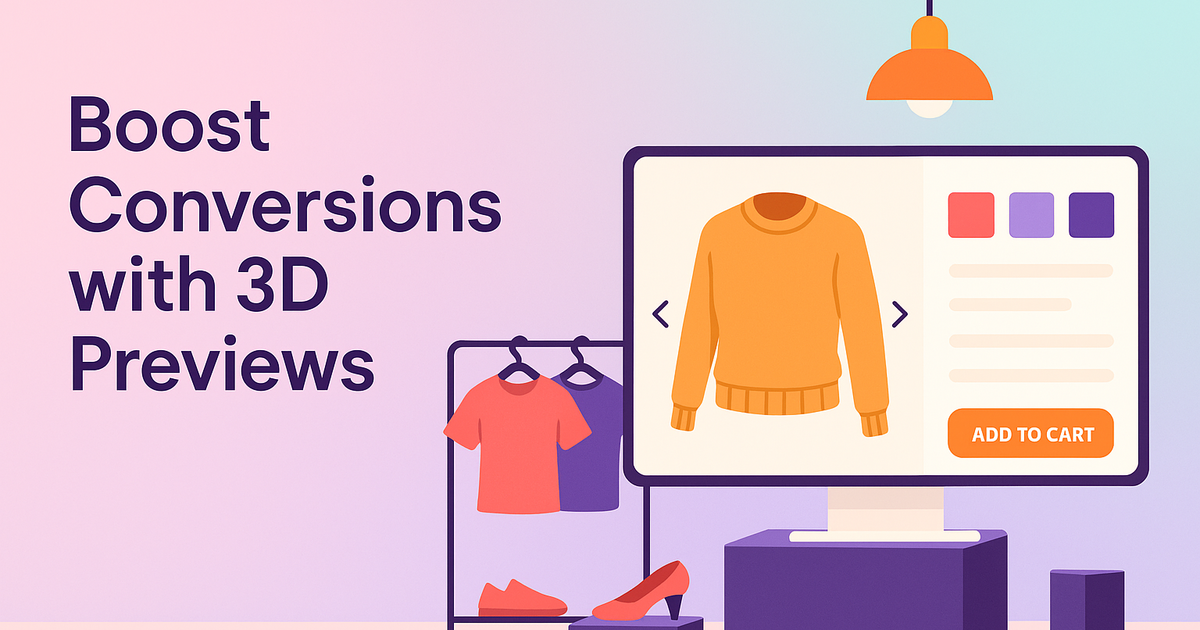
An online product customization software (also known as a fashion product configurator or 3D product configurator software) is a web-based interface that empowers shoppers to build a bespoke item in real time. Using templates, dynamic pricing rules, and high-resolution 3D renders, buyers can:
- Choose fabrics, colors, and trims.
- Input exact measurements for made-to-measure garments.
- Rotate the model 360∘ for an accurate visualization.
- Add monograms or artwork, then instantly preview all changes.
The configurator syncs with your storefront, inventory, and production systems through seamless API integration. This ensures that what the customer sees is always what your factory receives.
Five Business Reasons Fashion Leaders Are Moving Now
1. Higher Conversion, Lower Cart Abandonment
Shoppers stay engaged when they can experiment and see results instantly. L2’s Digital IQ Index found that brands that offered real-time preview tools saw session times jump by 25 % and checkout completion rise sharply (L2, 2022). The configurator essentially doubles as an interactive sales associate—without the payroll cost.
2. Dramatic Reduction in Returns
When a buyer zooms, rotates, and tweaks every detail, the final product matches expectations. Coresight Research reports that interactive visualization can cut return rates by up to 40 % for apparel and footwear (Coresight, 2022). Fewer returns mean less reverse-logistics expense and a cleaner environmental footprint.
3. Made-To-Order Inventory = Healthier Cash Flow
Instead of guessing which SKUs will move, brands manufacture only what customers design. That eliminates dead stock, releases capital, and keeps collections fresh without overproduction.
4. Premium Pricing Through Personalization
Because every item feels bespoke, customers accept—and even expect—higher price points. Margins expand without raising volume.
5. First-Party Data Goldmine
Each click inside the configurator captures real intent data: preferred silhouettes, colorways, and embellishments. Marketing teams can feed those insights into next-season planning and targeted campaigns for measurable ROI.
Overcoming the Classic Pain Points
Complex interfaces, disconnected systems, and surprise fees have often frustrated early adopters. Here’s how modern platforms and 3D product configurator software successfully address those concerns today.
User-Friendly, Intuitive Design
Leading interfaces mirror consumer apps, drag-and-drop swatches, one-click undo, mobile responsiveness. No tutorials needed; buyers explore instinctively.
Plug-and-Play Integration
Seamless integration with popular e-commerce platforms (Shopify, Magento, BigCommerce) via RESTful APIs means you’re live in weeks, not quarters. Existing ERP and PLM data flows through automatically, so teams avoid double entry.
Transparent Pricing
Best-in-class vendors publish clear license, hosting, and support costs, no rendering “credits” or per-SKU add-ons. Predictable budgeting keeps ownership happy.
High-Quality Real-Time Preview
Pixelated mock-ups erode trust. Today’s 3D engines stream photoreal textures and accurate draping, even on smartphones, ensuring shoppers get a studio-quality view of their creation.
Optimized Performance
Server-side rendering, CDN delivery, and GPU acceleration combine to keep load times below two seconds, protecting SEO rankings and user patience alike.
Real-World Impact: From Concept to Cart
Consider an upscale denim label that lets customers specify the fit, wash, and hardware through a 3D product configurator software. Within three months, their average order value climbed 18%, while return rates fell below 4%. Marketing also discovered that rose-gold rivets were twice as popular among repeat buyers, an insight the design team used to launch a limited-edition capsule collection.
Note: Even brands with tight production windows can benefit. Small-batch knitwear companies use product configuration tools to lock in color mixes before spinning yarn, shortening sampling time by days and reducing waste by kilograms.
Choosing the Right Partner Matters
Many tools promise “DIY” customization, but enterprise fashion demands more than a widget. That’s where iDesigniBuy stands apart. With 12 + years of expertise in fashion, print, and e-commerce, the company delivers:
- Comprehensive fashion product configurator modules: suits, shoes, handbags, team jerseys, and more, each backed by industry-specific measurement logic.
- World-class 3D rendering pipeline: that streams true-to-fabric drape and lighting for an outstanding experience.
- API connectivity: that lets IT teams drop the solution into an existing tech stack with minimal custom code.
Brands gain a scalable foundation, not just another plugin. This results in faster time-to-market, measurable ROI, and the confidence to expand personalization across all categories.
Educational Checklist: Must-Have Features
Before you sign a contract, evaluate the platform against this quality-focused checklist:
- Template Flexibility: Can you add new silhouettes without vendor involvement?
- Rules Engine: Does the system prevent impossible combinations (e.g., silk lining on waterproof outerwear)?
- Measurement Capture: For made-to-measure, is sizing intuitive for shoppers and production-ready for your atelier?
- Real-Time Pricing: Does the product configuration tools instantly update the cost as options change, avoiding checkout surprises?
- Production Output: Are pattern pieces, Bills of Material (BOMs), and color codes exportable in formats your factory can read?
- Scalability: Will performance stay fast during flash sales or international rollouts?
Conclusion: Turn Shoppers Into Co-Creators
The shift to online product customization software is no passing trend, it’s a strategic move that safeguards margin, reduces waste, and delights modern buyers. Forward-thinking labels that deploy robust product personalization tools today will secure a competitive edge long before their peers catch up.
Ready to explore how a proven 3D product configurator software can power your next growth phase? iDesigniBuy’s specialists are available to map requirements, demo live storefronts, and outline transparent pricing, no hidden fees, just clear value. Know More.